

Understanding the Impact of Sports Marketing Deals
- 6 days ago
- 4 min read
Sports Marketing deals have become a cornerstone for global brands aiming to amplify their presence. These partnerships go beyond simple sponsorships. They create dynamic relationships that drive brand visibility, fan engagement, and measurable business growth. In this article, we take you through the key aspects of these deals, their significance, and how they shape the sports and business landscape.
The Power of Sports Marketing Deals in Brand Strategy
Sports Marketing offer brands a unique platform to connect with passionate audiences. Sports fans are loyal, engaged, and diverse. When a brand aligns itself with a sports team, athlete, or event, it taps into this emotional connection. This connection translates into increased brand awareness and trust.
For example, a global beverage company partnering with a major football league gains access to millions of viewers worldwide. This exposure is not just about logos on jerseys or billboards. It’s about storytelling, shared values, and creating memorable experiences for fans.
Brands also benefit from the extensive media coverage sports receive. Television broadcasts, social media, and live events provide multiple touchpoints for brand messaging. This multi-channel presence ensures that the brand remains top of mind for consumers.
Moreover, Sports Marketing often include exclusive rights, such as product placement or digital content creation. These rights allow brands to innovate and engage audiences in fresh ways, such as interactive campaigns or behind-the-scenes access.

How Sports Marketing Drives Business Growth
Sports marketing is not just a visibility tool; it is a strategic business investment. Strategic sponsorships and partnerships help companies enter new markets, build customer loyalty, and increase sales. The impact is measurable and often significant.
One clear example is the rise in merchandise sales following a sponsorship deal. When a brand partners with a popular sports team, fans often buy branded products, from apparel to accessories. This creates a direct revenue stream linked to the partnership.
Additionally, these deals can open doors to new business opportunities. Brands often collaborate with sports entities on co-branded products, events, or digital platforms. These collaborations can lead to innovative offerings that attract new customer segments.
Data analytics also play a crucial role. Brands track engagement metrics, sales figures, and social media interactions to assess the effectiveness of their sports partnerships. This data-driven approach ensures that investments deliver a strong return.
Finally, Sports Marketing enhances corporate reputation. Associating with elite sports talent or prestigious events signals quality and ambition. This positive perception can influence stakeholders, investors, and potential partners.
What is an example of a Sports Marketing agreement?
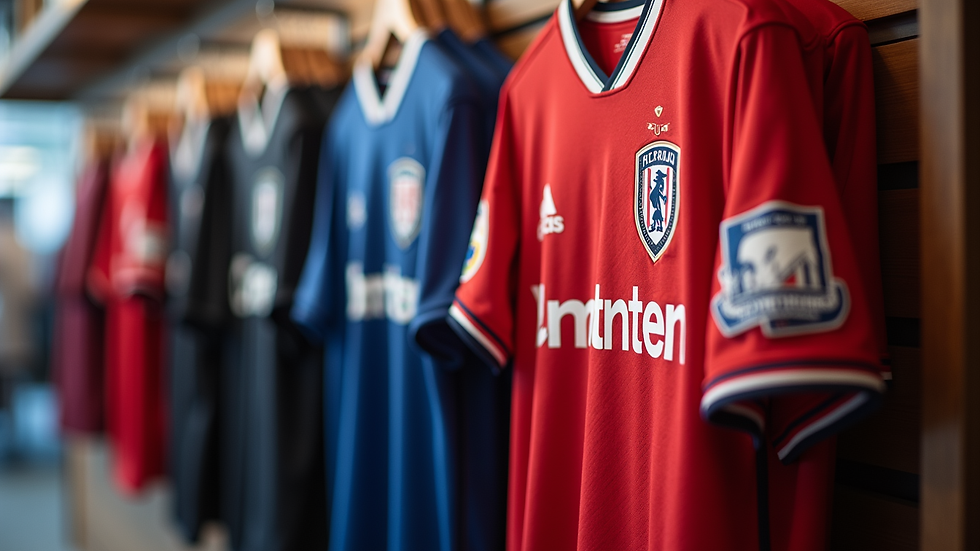
A classic example of a commercial agreement in sports is the partnership between a global sportswear brand and a leading football club. This deal typically includes:
Kit sponsorship: The brand supplies team uniforms and gains logo placement.
Merchandising rights: The brand produces and sells official club merchandise.
Advertising rights: The brand appears in stadiums, broadcasts, and digital content.
Player / Athlete / VIP Ambassadors: Individual athletes promote the brand through personal appearances and social media.
Such agreements are carefully negotiated to balance exposure, exclusivity, and financial terms. They often span multiple years, providing stability and long-term benefits for both parties.
This example highlights how Sports Marketing agreements create a win-win scenario. The club receives funding and resources, while the brand gains access to a passionate fan base and global visibility.
Key Elements That Make Sports Marketing Deals Successful
To maximise the impact of Sports Marketing deals, several elements must align perfectly:
Brand Fit
The brand’s values and target audience should match the sport or team. Authenticity matters. Fans quickly spot mismatches, which can harm both parties.
Clear Objectives
Define what success looks like. Is it increased sales, brand awareness, or market entry? Clear goals guide the partnership strategy.
Activation Strategy
Beyond logos, brands must activate their sponsorships through campaigns, events, and digital content. Engagement drives results.
Measurement and Analytics
Track performance using KPIs like media impressions, social engagement, and sales uplift. Use insights to optimise ongoing efforts.
Flexibility and Innovation
The sports landscape evolves rapidly. Successful deals allow room for innovation, such as virtual fan experiences or new media formats.
By focusing on these elements, brands can turn Sports Marketing deals into powerful growth engines.
Navigating Challenges in Sports Marketing Deals
While the benefits are clear, Sports Marketing deals come with challenges. Understanding and managing these risks is crucial.
High Costs
Top-tier sports partnerships require significant investment. Brands must ensure the deal aligns with their budget and expected returns.
Reputation Risks
Sports entities can face controversies, from player misconduct to organisational scandals. Brands must have crisis management plans.
Market Saturation
Many brands compete for attention in sports. Standing out requires creativity and authentic engagement.
Changing Media Consumption
Fans consume sports differently today, with streaming and social media dominating. Brands must adapt their strategies accordingly.
Contract Complexity
Negotiating rights, exclusivity, and deliverables can be complex. Legal expertise is essential to protect brand interests.
By anticipating these challenges, brands can build resilient partnerships that withstand market shifts and maintain strong fan connections.
Maximising the Value of Sports Marketing Agreements
To get the most from Sports Marketing agreements, brands should:
Leverage Data
Use fan insights to tailor campaigns and product offerings.
Engage Fans Directly
Create interactive experiences, contests, and exclusive content.
Collaborate Closely
Work hand-in-hand with sports partners to align messaging and activation.
Invest in Storytelling
Share authentic stories that resonate emotionally with fans.
Explore New Technologies
Use AR, VR, and AI to create immersive brand experiences.
These strategies help brands move beyond traditional sponsorships to build lasting relationships with sports audiences.
Sports Marketing deals are more than transactions. They are strategic partnerships that fuel brand growth and fan engagement. By understanding their impact and navigating their complexities, brands can unlock tremendous value in the global sports arena.


